
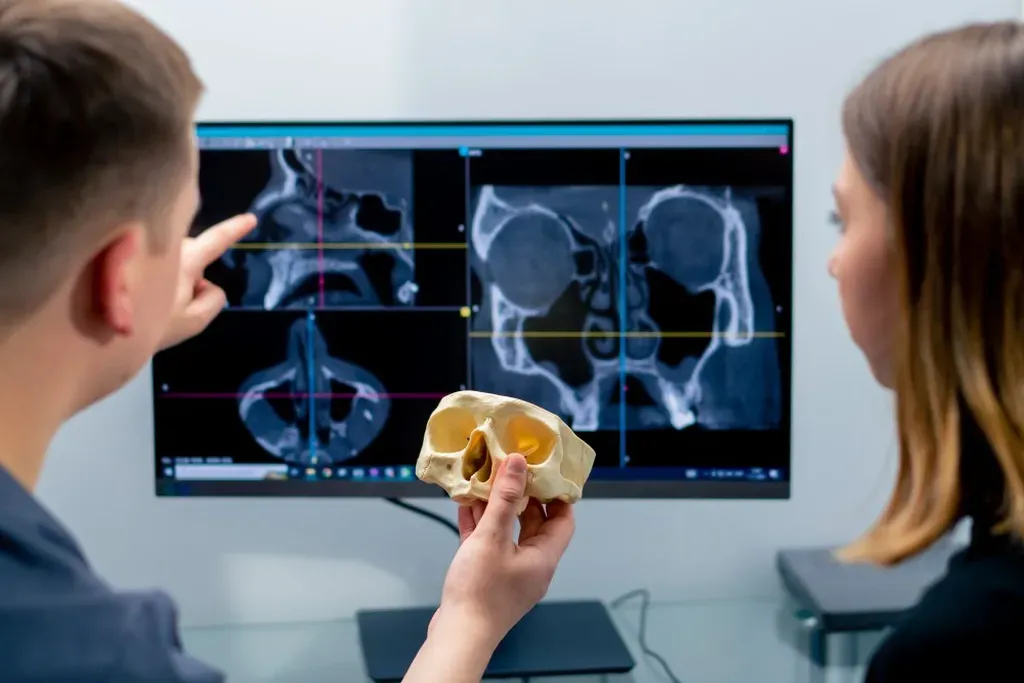
Had a balloon sinuplasty or considering one? This blog covers what to expect after the procedure, from the first few days of recovery through to the long-term results.
Balloon sinuplasty is a minimally invasive procedure to relieve chronic sinusitis for people who have tried medications, nasal sprays, and other conservative treatments without lasting relief.
The procedure works by threading a small balloon catheter into the blocked sinus passage and inflating it to widen the opening, restoring drainage without cutting or removing any tissue.
Studies show that most people who undergo balloon sinuplasty experience significant improvement in sinus symptoms, with one large study reporting that over 95% of patients showed measurable improvement in quality of life at two years post-procedure.
When people consider a procedure like this, most of their research focuses on what it involves. While that’s a natural starting point, what happens after is just as important to understand. Being informed about what to expect in the days and weeks that follow and what the long-term picture looks like sets you up for a smoother experience.
If you think you might be a candidate for balloon sinuplasty, the first step is speaking with a specialist who can assess your sinuses and determine whether it’s the right option for you. Mani Zadeh, MD, is an ENT specialist with extensive experience in this procedure. He’ll give you a clear breakdown of what to expect from start to finish, including everything that comes after.
Here’s a detailed look at the recovery and results.
Immediately after the procedure
Balloon sinuplasty is typically performed as an in-office procedure under local anesthesia, which means most people go home the same day. Right after the procedure, it’s normal to feel some congestion and pressure in your sinuses. There may also be a small amount of bloody discharge from your nose in the first day or two. This is normal and usually resolves quickly.
You should arrange a ride home rather than driving yourself, and take it easy for the rest of the day. The procedure itself is often completed within an hour, and because no tissue is removed and no incisions are made, the immediate post-procedure experience is far more manageable than traditional sinus surgery.
The first month
By the end of the first month, most people feel noticeably better. Swelling has settled, sinuses are draining more freely, and symptoms such as congestion, pressure, headaches, and insomnia that prompted the procedure are beginning to improve.
Follow-up appointments with Dr. Zadeh during this period are important. He assesses how your sinuses are healing, confirms that drainage has returned as expected, and addresses any questions that arise during recovery. These appointments also give him a chance to catch anything early if the healing isn’t progressing as it should.
In some cases, a mild sinus infection can develop during recovery, particularly if your sinuses were already inflamed going into the procedure. This is not a sign that the procedure hasn’t worked; it just needs to be identified and treated promptly, which is another reason follow-up care is crucial.
Long-term results
People typically report better sleep, less reliance on decongestants and other medications, fewer sinus infections, and a general improvement in daily comfort and energy. For people who have spent years cycling through antibiotics and sprays, these changes significantly improve their quality of life.
Not everyone experiences the same recovery timeline, and for some, improvement isn’t noticeable until later. People with more severe or longstanding sinusitis may have more swelling to resolve before they feel the full benefit.
In some cases, Dr. Zadeh performs the procedure alongside other treatments such as medication management for allergies, which also affects how quickly results are felt.
If improvement seems slower than expected, the most important thing is to stay in contact with Dr. Zadeh. He monitors each person’s progress closely and can determine whether your healing is on track or whether you need additional support.
Balloon sinuplasty has a strong track record, and for the right person, it provides lasting relief from chronic sinusitis. Recovery is manageable, the results hold up over time, and the procedure has little to no downtime. Knowing what comes after the procedure means you go into it prepared, which makes for a better experience.
If chronic sinusitis has been affecting your quality of life and you want to know whether balloon sinuplasty is the right option for you, Dr. Zadeh is the specialist to see. Book a consultation with him today and find out what’s possible.